Tel: +86-20-3106 0625 Email: sales@motechmotor.com

Your location:Home >> SUPPORT >> Knowledge Base
Knowledge BaseProper installation is essential for reliable stepper motor performance. Whether the motor is integrated into a 3D printer, CNC machine, medical device, packaging machine, textile equipment, or stage lighting system, the installation environment and mechanical mounting conditions directly affect torque output, operating temperature, vibration, noise, positioning accuracy, and service life.
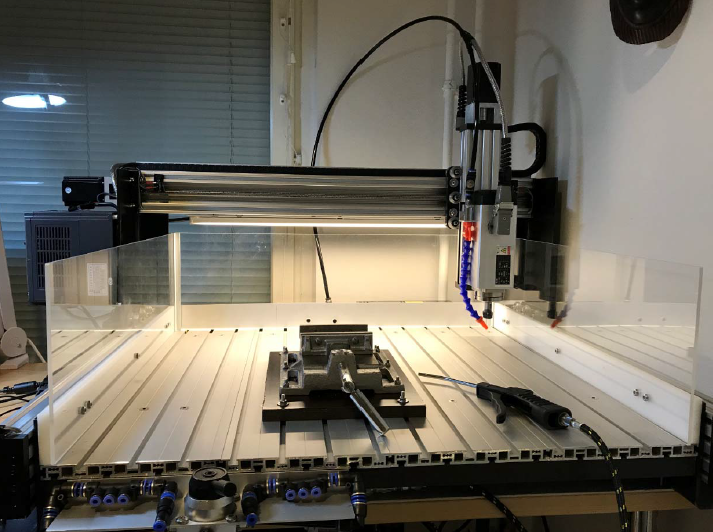
Image sourced from the internet. Special thanks to our customer for sharing.
This article explains the key installation requirements for hybrid stepper motors, covering ambient temperature, humidity, ventilation, mounting stability, shaft alignment, and precautions for enclosed spaces.
1. Ambient Temperature
· Standard Range: The recommended operating ambient temperature for most standard stepper motors is -20℃to +50℃(non-freezing/non-condensing).
· Thermal Risks: Excessive ambient temperatures accelerate insulation aging, reduce bearing life, or cause torque degradation. Conversely, extremely low temperatures risk condensation and material-related performance drops.
· Enclosed Systems: When installing near heat sources or inside a machine housing, always measure the actual temperature surrounding the motor body during peak operation, not just the ambient room temperature.
2. Ambient Humidity
· Standard Limit: Recommended humidity is below 85% RH (non-condensing).
· Moisture Hazards: High humidity or condensation allows water vapor to penetrate the motor, compromising insulation, rusting bearings, and threatening long-term reliability.
· Note: Standard motors should not be exposed to water droplets, oil mist, or corrosive vapors. For harsh environments, please consult MOTECH for customized IP-rated solutions.
3. Ventilation and Heat Dissipation
· Airflow Clearance: Stepper motors naturally generate heat, especially under continuous holding current or high-load conditions. Ensure adequate air circulation around the motor chassis.
· Dissipation Methods: For enclosed equipment or compact control panels, the integration of ventilation slots, cooling fans, or mounting onto an aluminum plate acting as a heat sink is highly recommended to prevent motor overheating and thermal stall.
4. Atmospheric Conditions (Corrosive Gas & Dust)
· Contaminant Exclusion: The installation site must be free from corrosive or oxidizing gases (such as acid, alkali, or salt mist).
· Ingress Protection: Avoid environments with airborne dust, metal shavings, or conductive particles.
5. Rigid and Stable Mounting Position
· Vibration Prevention: The motor must be securely fastened to a rigid, flat surface. Loose mounting amplifies resonance, induces severe noise, and causes positioning errors or step loss.
· Pre-Check: Before powering on, verify that all mounting bolts are tightened to specification and that the motor flange sits perfectly flush against the mounting base.
6. Matching the Motor Mounting Base
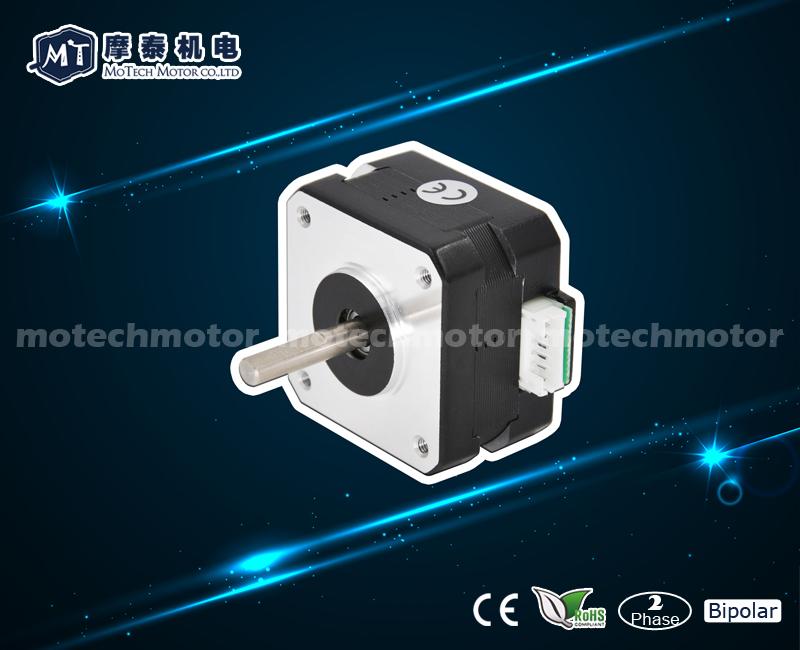
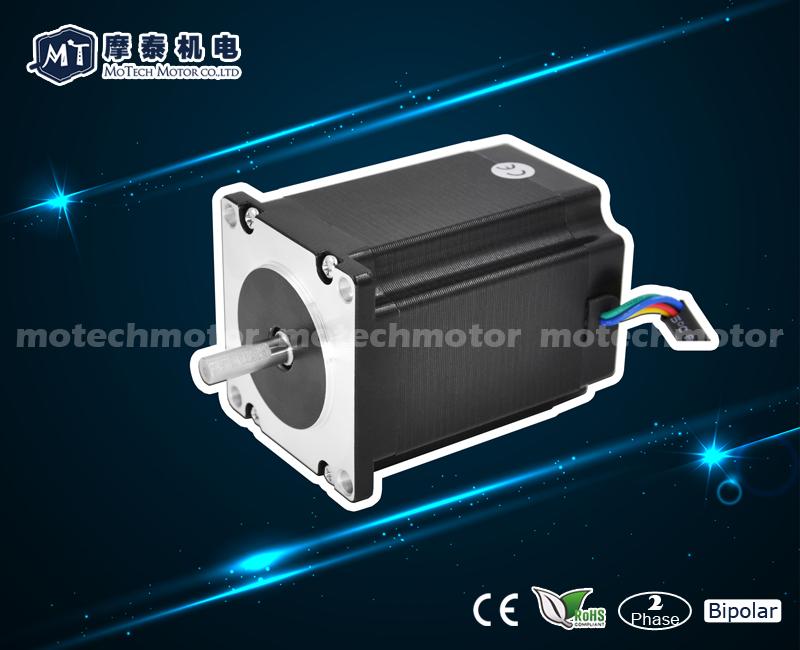
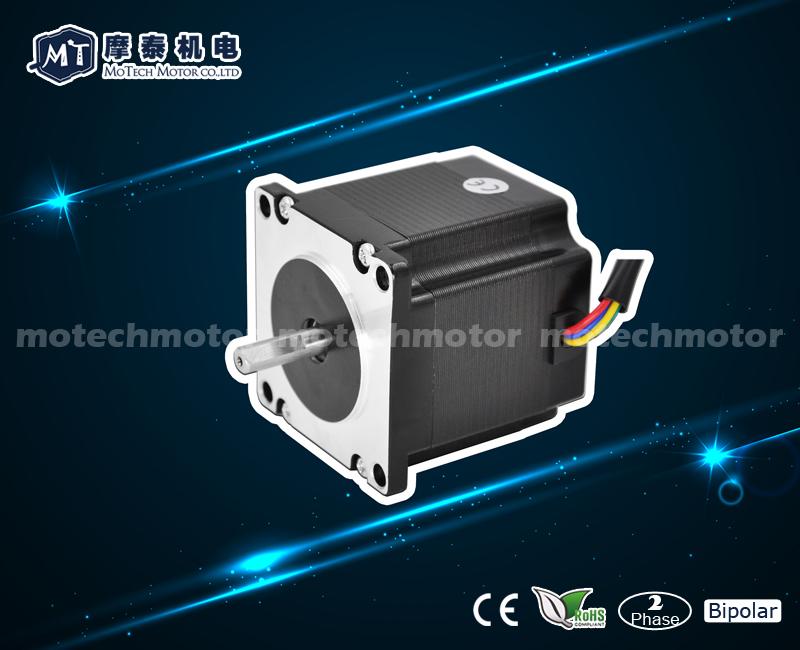
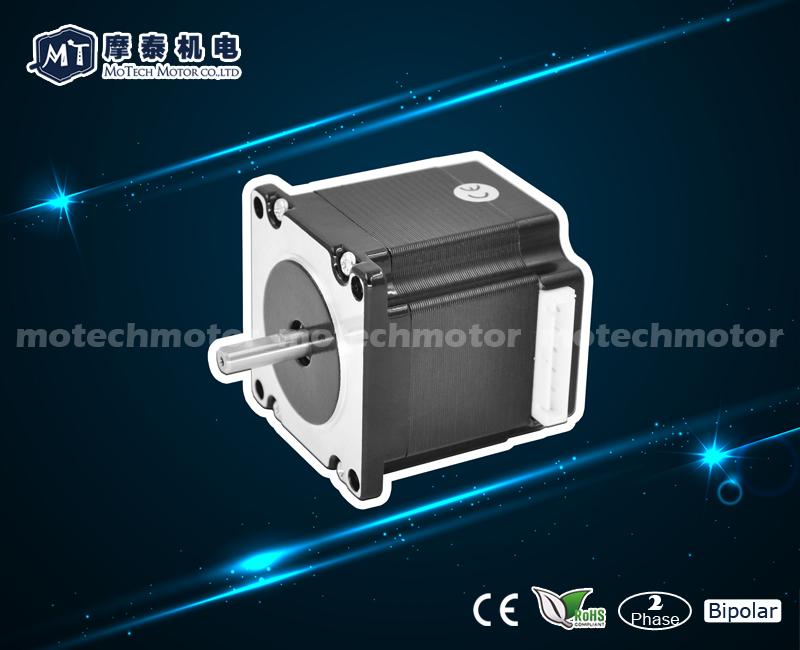
· NEMA Standardization: Ensure the mounting base aligns precisely with the motor’s specific NEMA frame dimensions. MOTECH motors strictly adhere to standards for NEMA 17, NEMA 23, NEMA 24, and NEMA 34.
· Structural Integrity: The base plate must feature sufficient thickness and structural strength to withstand the motor’s weight, continuous vibration, and torque reactions without flexing.
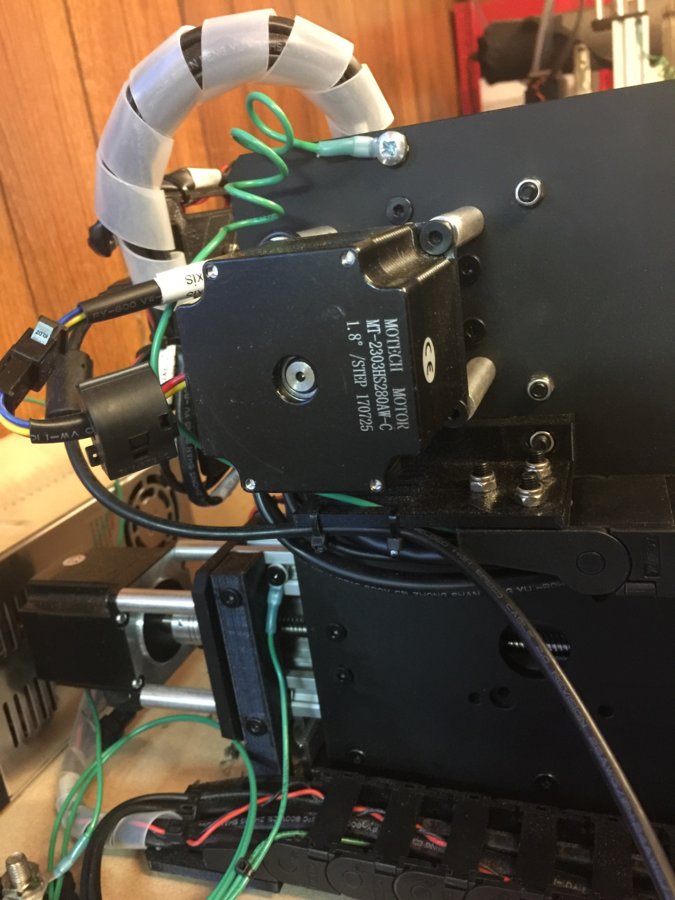
Image sourced from the internet. Special thanks to our customer for sharing.
7. Precise Shaft Alignment and Coupling Installation
· Concentricity: When coupling the motor shaft to a lead screw, belt pulley, or gearbox, perfect collinear alignment is critical.
· Load Mitigation: Misalignment introduces excessive Radial Load and Axial Load, leading to premature bearing failure and shaft fatigue.
8. Isolation from External Vibration
· Resonance Avoidance: Do not mount the motor near external high-vibration machinery. External shock can loosen hardware, distort internal alignment, and degrade positioning precision.
· Damping: For noise-sensitive fields like medical laboratory devices or optical systems, implementing additional dampening pads is highly recommended.
9. Electrical and Wiring Integrity
· Specification Check: Confirm that phase wiring, driver current configuration, and power supply voltage strictly match the motor's technical data sheet. Incorrect settings will trigger overheating, weak torque, or immediate driver failure.
· EMI Shielding: Keep motor cables routed away from high-voltage power lines to minimize electromagnetic interference, and avoid excessive bending or pulling stress at the motor cable exit.
CONCLUSION
Adhering to correct installation standards optimizes operating stability, eliminates abnormal noise, prevents overheating, and extends the service life of your motion control system.
MOTECH MOTOR offers a comprehensive portfolio of high-performance hybrid stepper motors and closed-loop stepper motors across NEMA 17, NEMA 23, NEMA 24, and NEMA 34 form factors. Need technical support for your specific application? [CONTACT US] with your torque requirements, shaft configurations, and environmental constraints for a tailored solution.


Scan QRCode
Follow Stepper Motors, Step-Servo Motors, Stepper Drivers News
 Tel: +86-20-31060625
 Fax: +86-20-31060635
 Email:sales@motechmotor.com
 Add.:Block 15th, Tian An Hi-tech Ecologocal Park, No.555, Panyu Avenue North, Panyu distrct, Guangzhou, China (511400)